

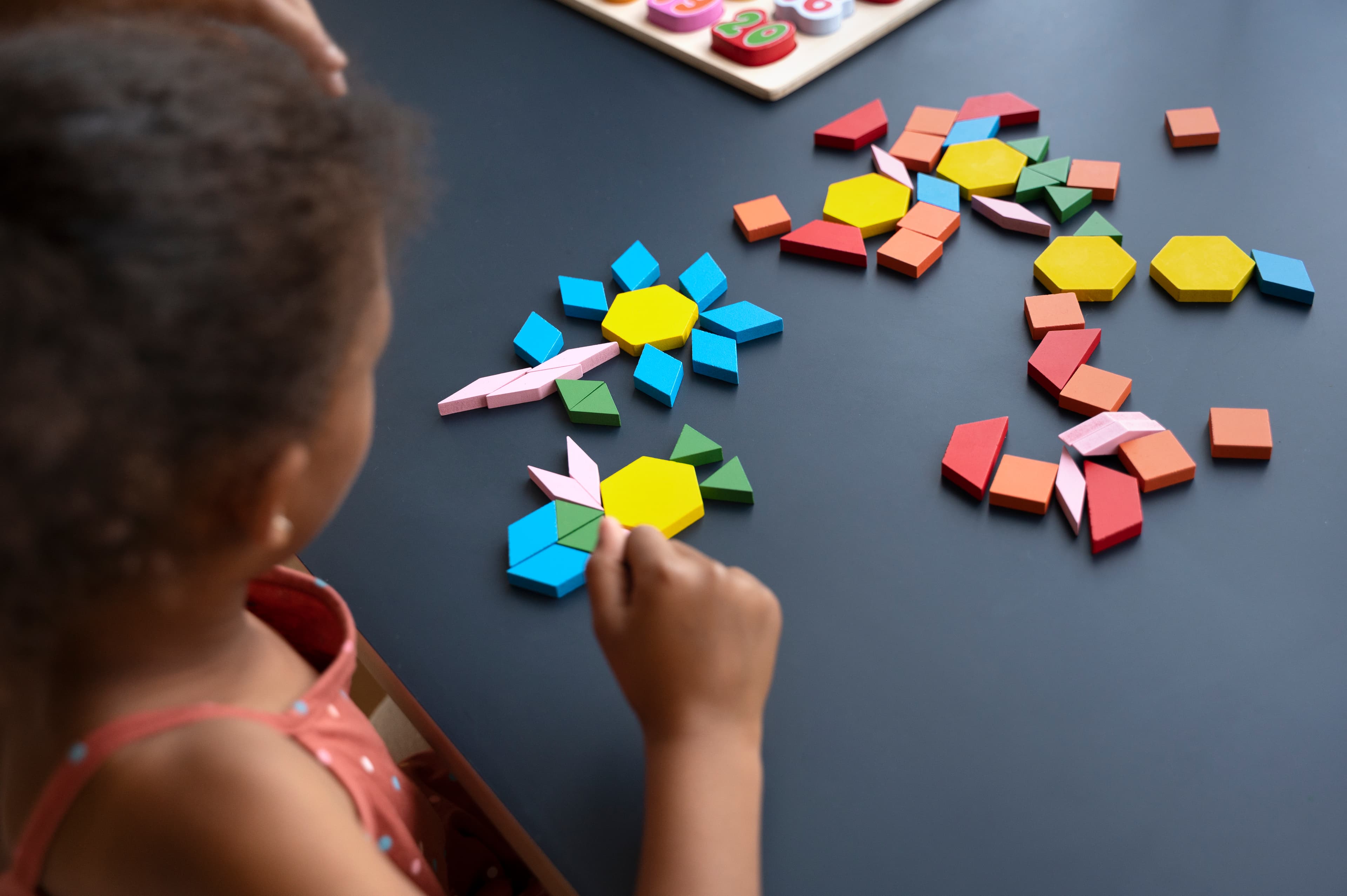
RECREATIONAL ACTIVITIES

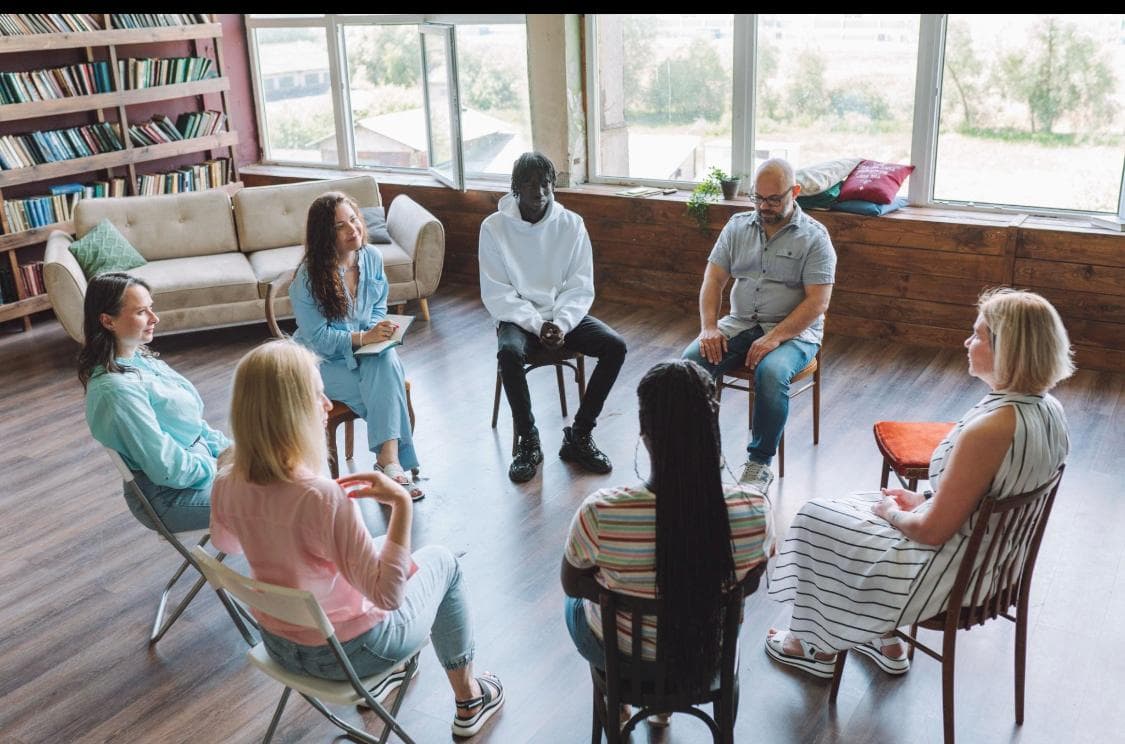
Social engagement is about helping individuals build meaningful relationships, communication skills, and a sense of belonging in their community. It's not just “being around people” — it's about active participation, confidence, and connection.

Social Engagement for Individuals with Developmental Disabilities

Social engagement is about helping individuals build meaningful relationships, communication skills, and a sense of belonging in their community. It's not just "being around people" — it's about active participation, confidence, and connection.

1. Interpersonal Skills

Interpersonal skills are the ways we connect, communicate, and relate to other people in everyday life. It's how you:

  • *Talk to someone
  • *Listen and understand them
  • *Express your feelings
  • *Respond to others respectfully.

2. Turns Talking: For Individuals with Developmental Disabilities

Turn-taking may not come naturally, so it's often taught and practiced.

Some individuals may:

  • *Talk over others
  • *Have difficulty waiting
  • *Not recognize when it's their turn
  • *Need extra time to respond

And that's okay — it just means they need support.

3. Confidence & Social Skills.

Confidence and social skills help individuals:

  • *Build relationships and friendships
  • *Feel more included and accepted
  • *Communicate needs clearly
  • *Reduce anxiety in social situations
  • *Gain more independence in daily life

1. Peer Group Pressure: For Individuals with Developmental Disabilities

Peer pressure can be more challenging because some individuals may:

  • *Want to fit in strongly
  • *Have difficulty saying "no"
  • *Struggle to recognize unsafe situations
  • *Trust others easily

This makes teaching awareness and boundaries very important.

1. Emotional Recognition: For Individuals with Developmental Disabilities

Emotional recognition may need to be taught step by step.

Some individuals may:

  • *Have difficulty identifying how they feel
  • *Misread others' emotions
  • *Feel overwhelmed but unable to express it

That's why support and practice are important.

For Individuals with Developmental Disabilities — Person-Centered Approach

This approach is especially important because it:

  • *Honors their unique abilities and needs.
  • *Supports them at their own pace.
  • *Focuses on strengths, not just challenges.
  • *Encourages choice and self-expression.
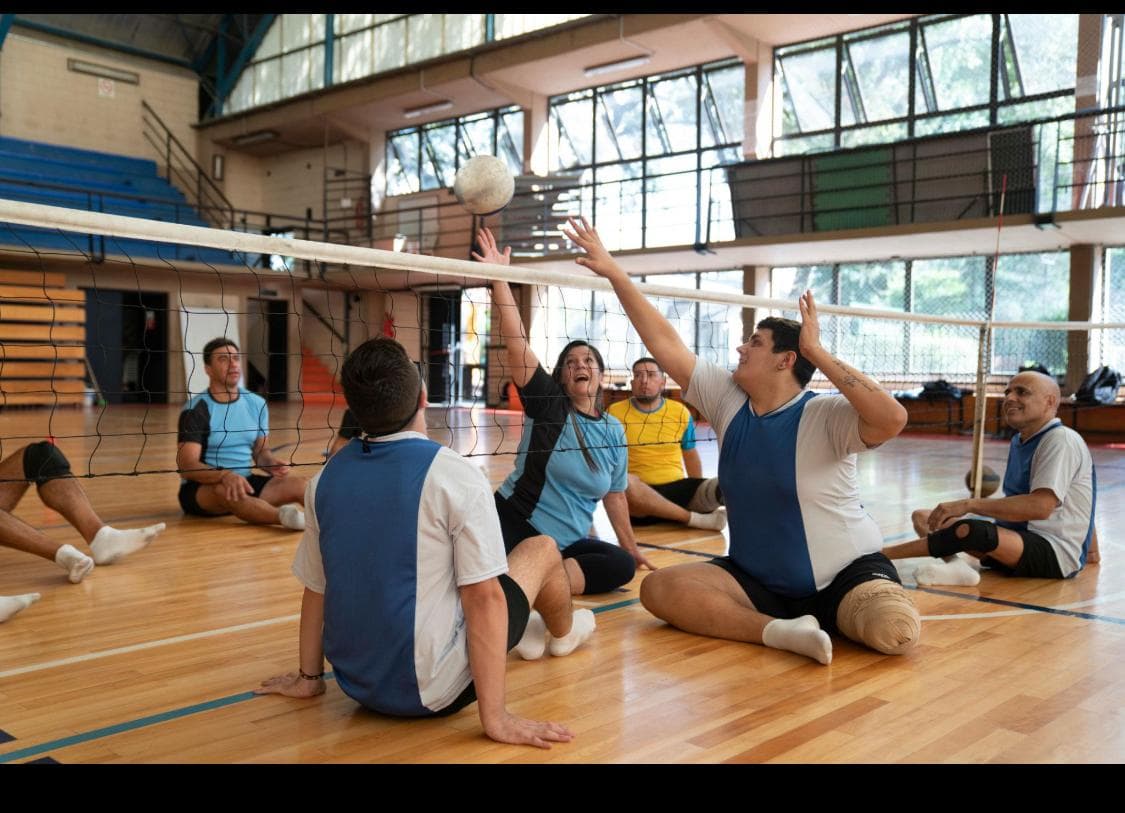
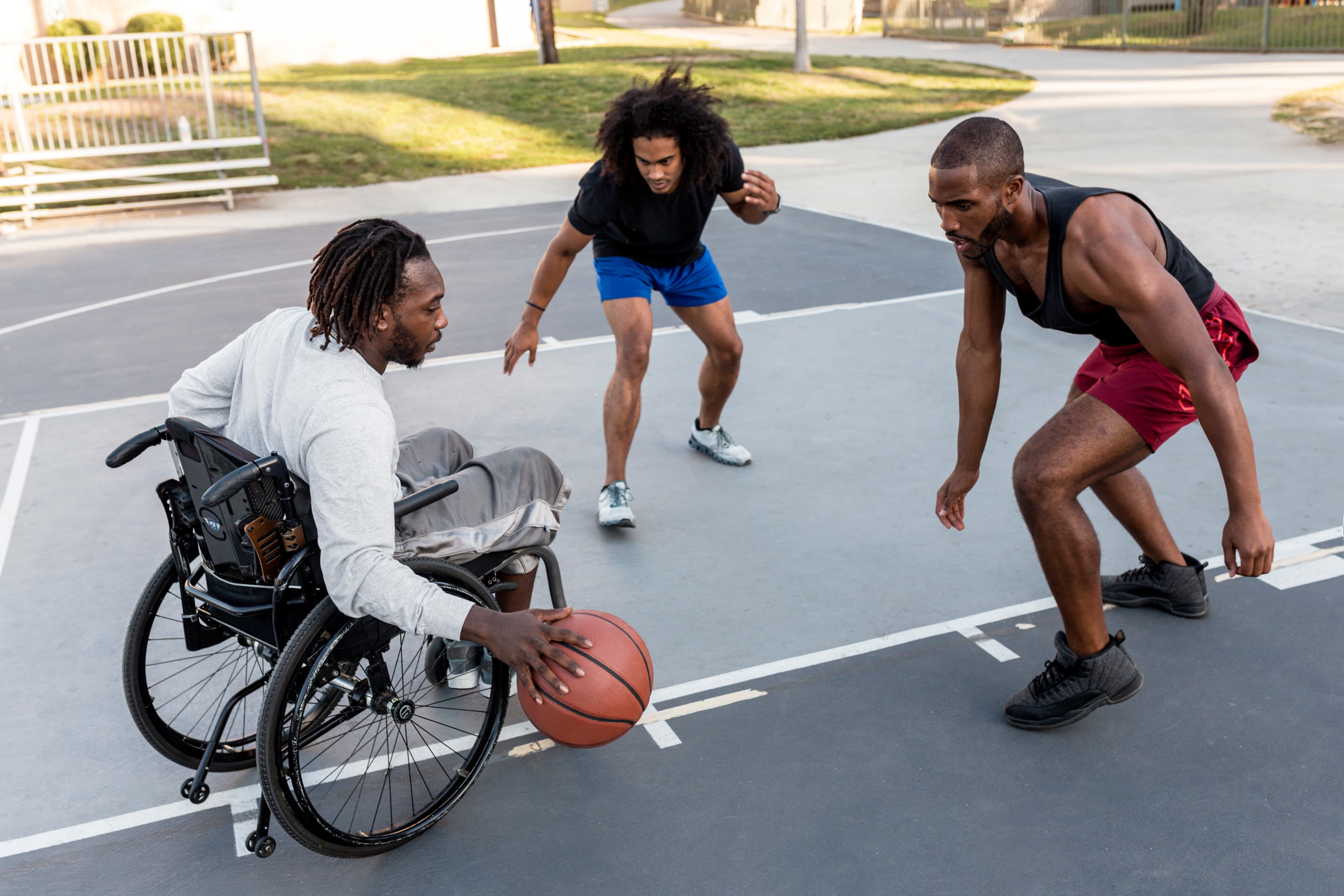
Adaptive Physical Activity & Wellness Program For Individuals With Developmental Disabilities.

This focuses on improving physical health, mobility, condition, and overall well-being for individuals with developmental disabilities.
Activities are tailored to each individual's abilities and goals, promoting independence, confidence, and active community participation.

We offer:

  • Recreational Activities.
  • Dancing and music-based movement.
  • Group games (ball toss, relay games).
  • Swimming or water-based activities.
  • Outdoor activities (parks, nature walks).

Person-centered Approach

  • Activities are customized based on ability level.
  • Focus on safety and supervision.
  • Encourages choice, dignity, and independence.
  • We are involved in caregivers/family participation.
Adaptive physical activity and wellness program

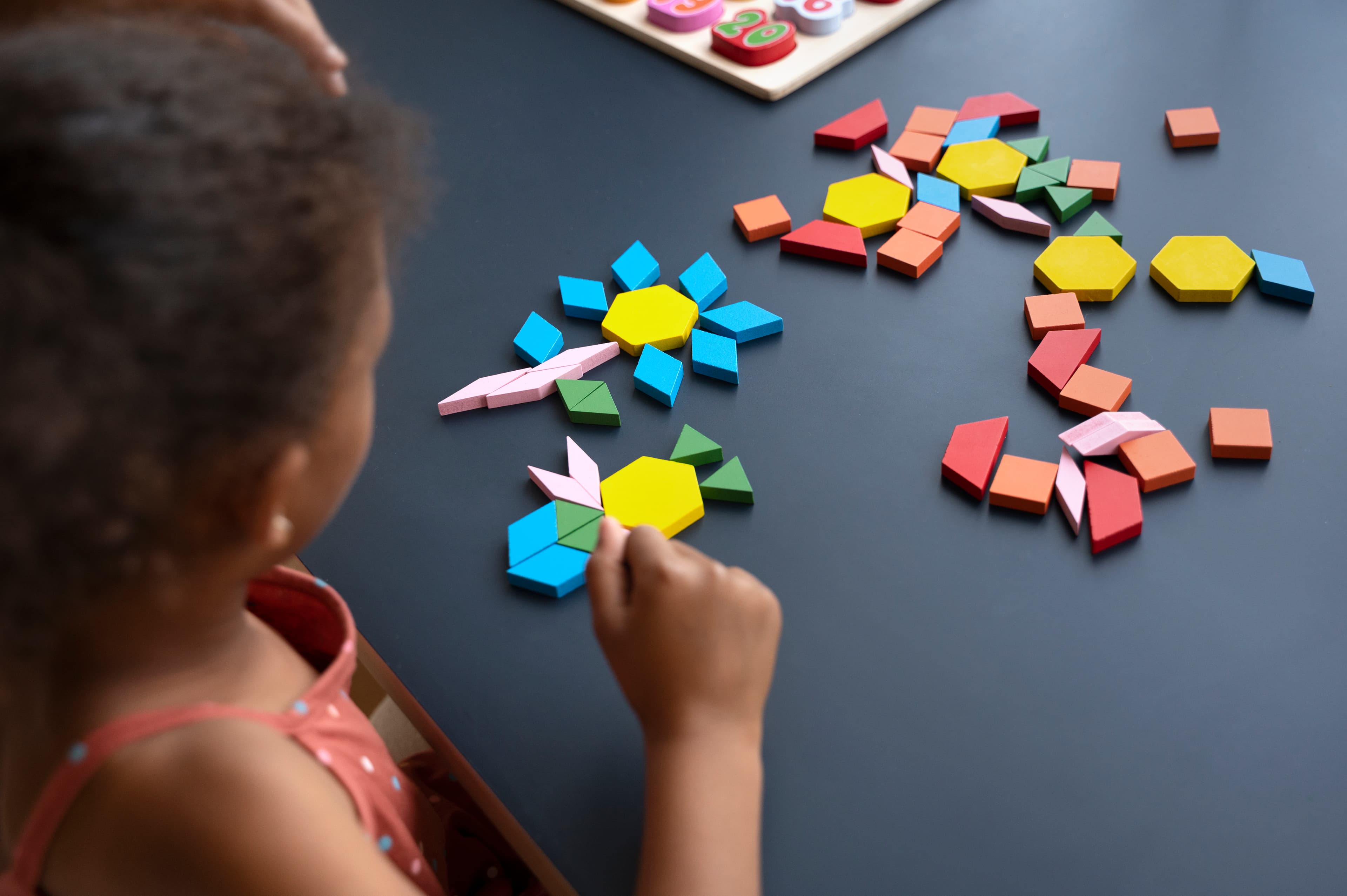
Sensory Based Activities

Our sensory programs are designed to stimulate exploration and engagement, that support sensory development and emotional regulation:

  • Bubble play.
  • Tactile sensory bins.
  • Music and movement games.
  • Water-based activities.
  • Enhance sensory development.
  • Supports emotional regulation.
  • Encourages creativity and focus.

Social & Communication Development

We create opportunities for participants to:

  • Build meaningful relationships.
  • Improve interpersonal and communication skills.
  • Engage confidently in group settings.
  • Promotes social confidence.
  • Encourages peer interaction.
  • Supports emotion growth.

Personalized One-on-One Support

Each individual is unique — and so is our care:

  • Tailored sessions based on individual needs.
  • Goal-oriented developmental support.
  • Focused attention for personal growth.
  • Individualized care plans.
  • Person-centered approach.
  • Measurable progress.
Our commitment to inclusive care

Our Commitment

At Value Care Foundation, we are committed to creating a safe, inclusive, and supportive environment where every individual is empowered to thrive, build meaningful connections, grow with confidence, and live with dignity. Through compassionate care, recreational activities, and community support, we strive to inspire hope, encourage personal development, and promote overall well-being for all.